
Enhancing Communication Skills: A Key to Success in the Workplace
CJ
The Importance of Effective Communication
Effective communication is a cornerstone of success in the workplace. It involves the clear and concise exchange of information, which is essential for collaboration and understanding among team members. Whether it’s through emails, meetings, or casual conversations, the ability to convey ideas effectively can significantly impact productivity and morale.
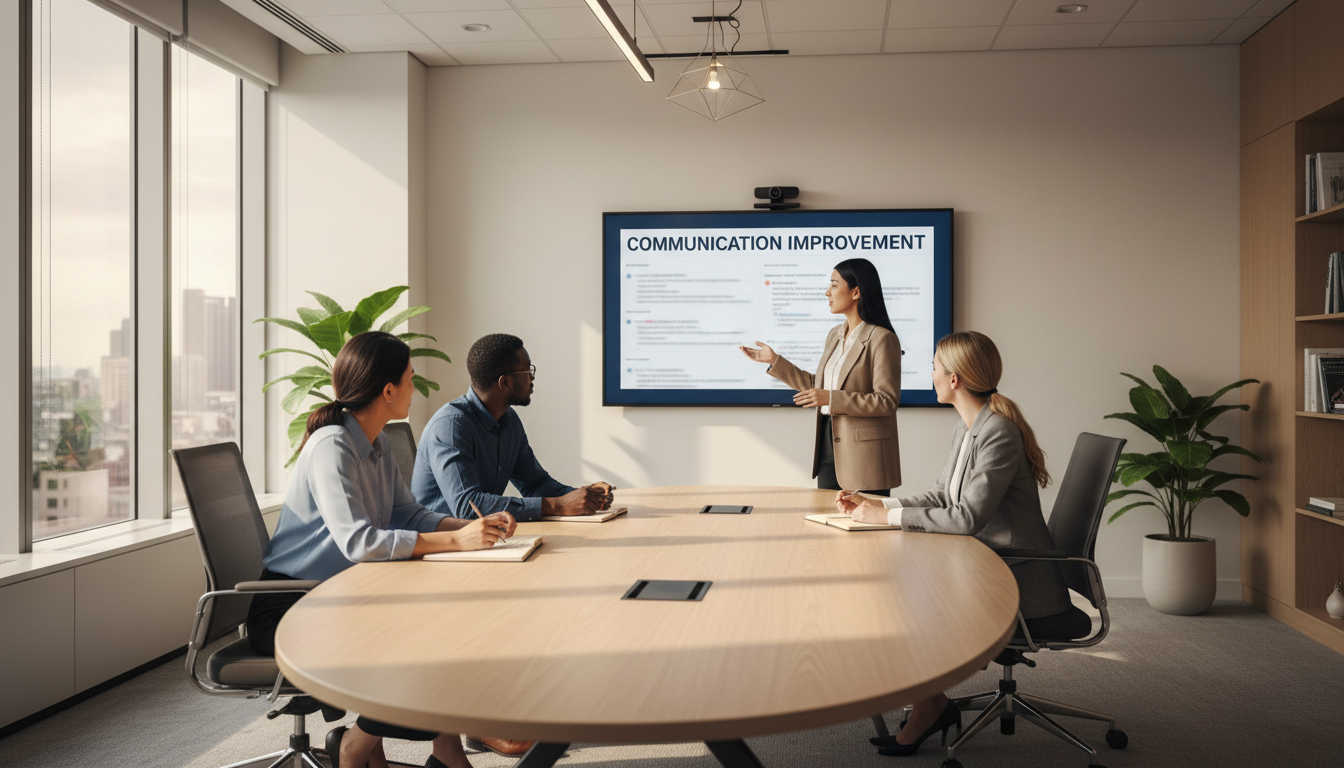
Strong communication skills help in building trust and rapport among colleagues. When team members feel heard and understood, it fosters a positive work environment where everyone feels valued. This, in turn, can lead to increased job satisfaction and loyalty.
Verbal Communication Techniques
Enhancing verbal communication involves more than just speaking clearly. It requires active listening, empathy, and the ability to adjust your message according to the audience. Here are some techniques to improve verbal communication:
- Active Listening: Pay full attention to the speaker, nodding, and providing feedback to show understanding.
- Clarity and Conciseness: Avoid jargon and get straight to the point to prevent misunderstandings.
- Empathy: Understanding others' perspectives can help tailor your message appropriately.
Non-Verbal Communication Skills
Non-verbal cues such as body language, facial expressions, and eye contact play a crucial role in communication. These signals often convey more than words themselves.

Being aware of your non-verbal signals and interpreting those of others can enhance interactions. For instance, maintaining eye contact shows confidence and sincerity, while open body language can make you appear more approachable.
Written Communication in the Digital Age
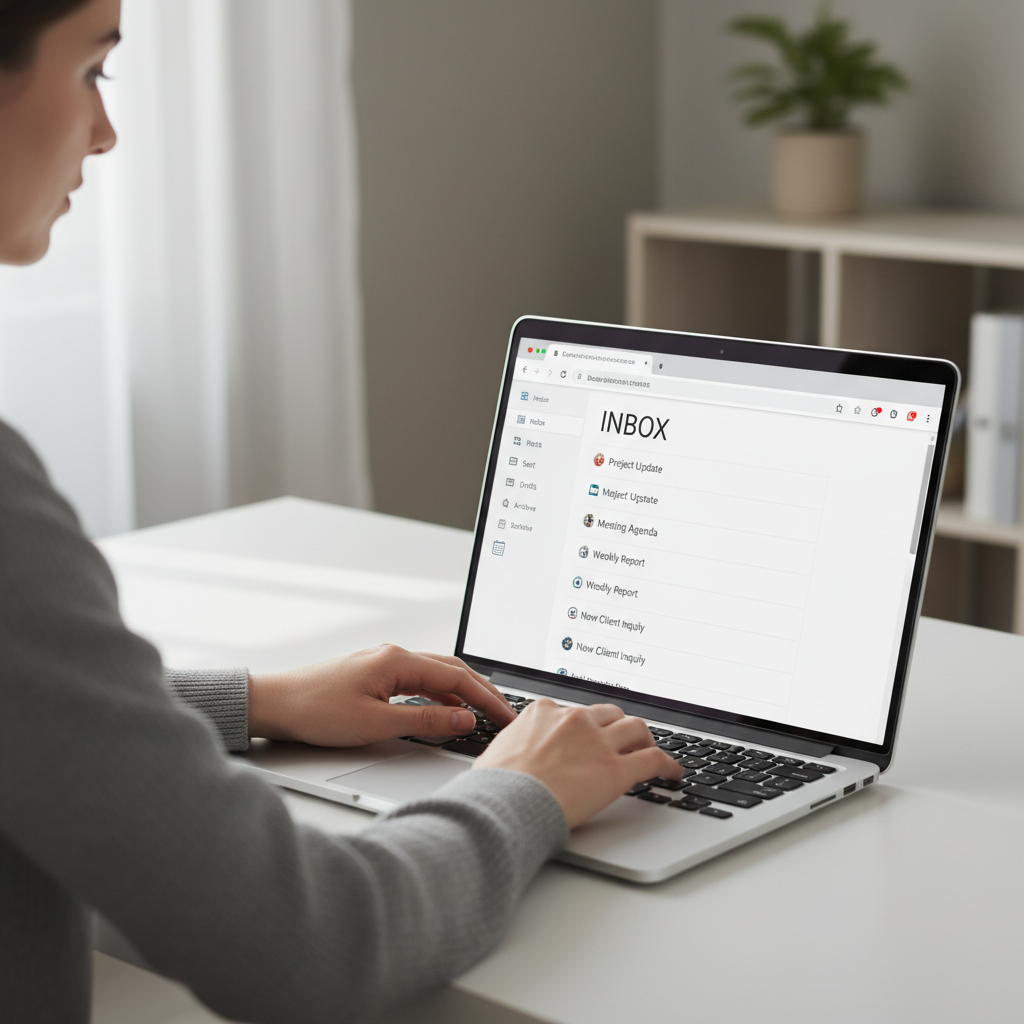
With the rise of digital communication, written skills have become increasingly important. Emails, reports, and instant messaging are integral to workplace interactions. Therefore, honing your written communication skills is vital.
Effective written communication should be clear, concise, and free of errors. Consider the following tips:
- Proofread: Always check for spelling and grammatical mistakes before sending.
- Be Direct: Avoid unnecessary details and focus on the main message.
- Use Appropriate Tone: Match the tone to your audience and the context of the message.
Feedback and Continuous Improvement
Receiving and providing feedback is a crucial aspect of improving communication skills. Constructive feedback helps individuals understand their strengths and areas for improvement. Encourage a culture where feedback is openly exchanged and valued.
Regularly seeking feedback from colleagues can provide insights into how others perceive your communication style, allowing for continuous improvement and adaptation.
Conclusion: The Path to Success
Developing strong communication skills is essential for career advancement and workplace harmony. By focusing on verbal, non-verbal, and written communication, individuals can enhance their ability to convey ideas effectively and build stronger professional relationships. In a world where collaboration is key, mastering these skills is a valuable investment in your professional journey.