Top Communication Skills Enhancements for Emotional Intelligence Development
CJ
Understanding Emotional Intelligence
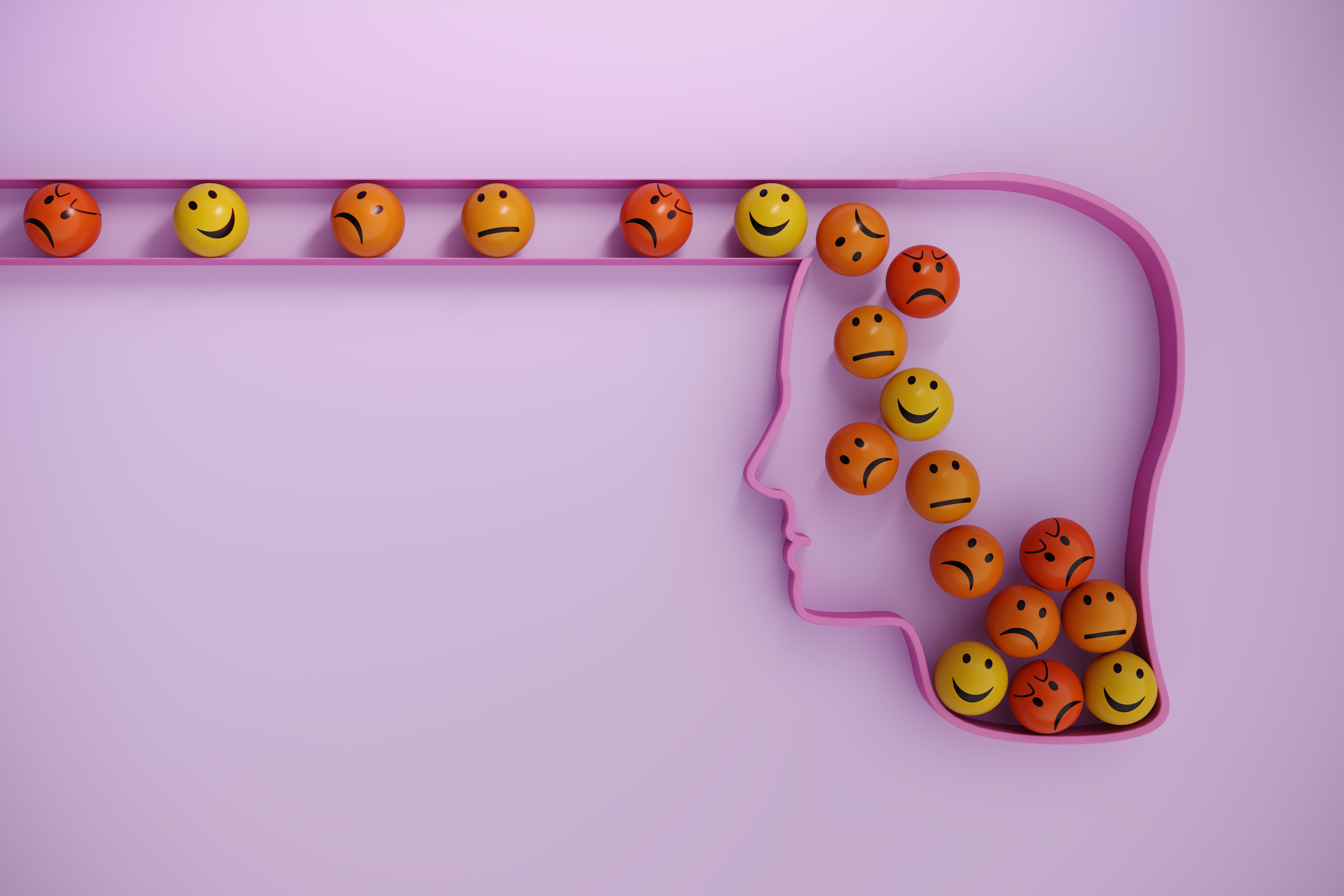
Emotional intelligence (EI) plays a crucial role in both personal and professional success. It involves the ability to recognize, understand, and manage our own emotions as well as the emotions of others. Enhancing your communication skills is one of the most effective ways to develop emotional intelligence.
By improving how you communicate, you can foster better relationships, resolve conflicts efficiently, and lead with empathy. Below are some key communication skills that can significantly enhance your emotional intelligence.
Active Listening
Active listening is the foundation of effective communication. It involves fully concentrating, understanding, responding, and then remembering what is being said. Instead of passively hearing the speaker, active listening requires you to engage with the content, offering your full attention.
- Maintain eye contact to show your interest.
- Provide feedback by nodding or using small verbal acknowledgments.
- Summarize and reflect back what you have heard.

Empathy
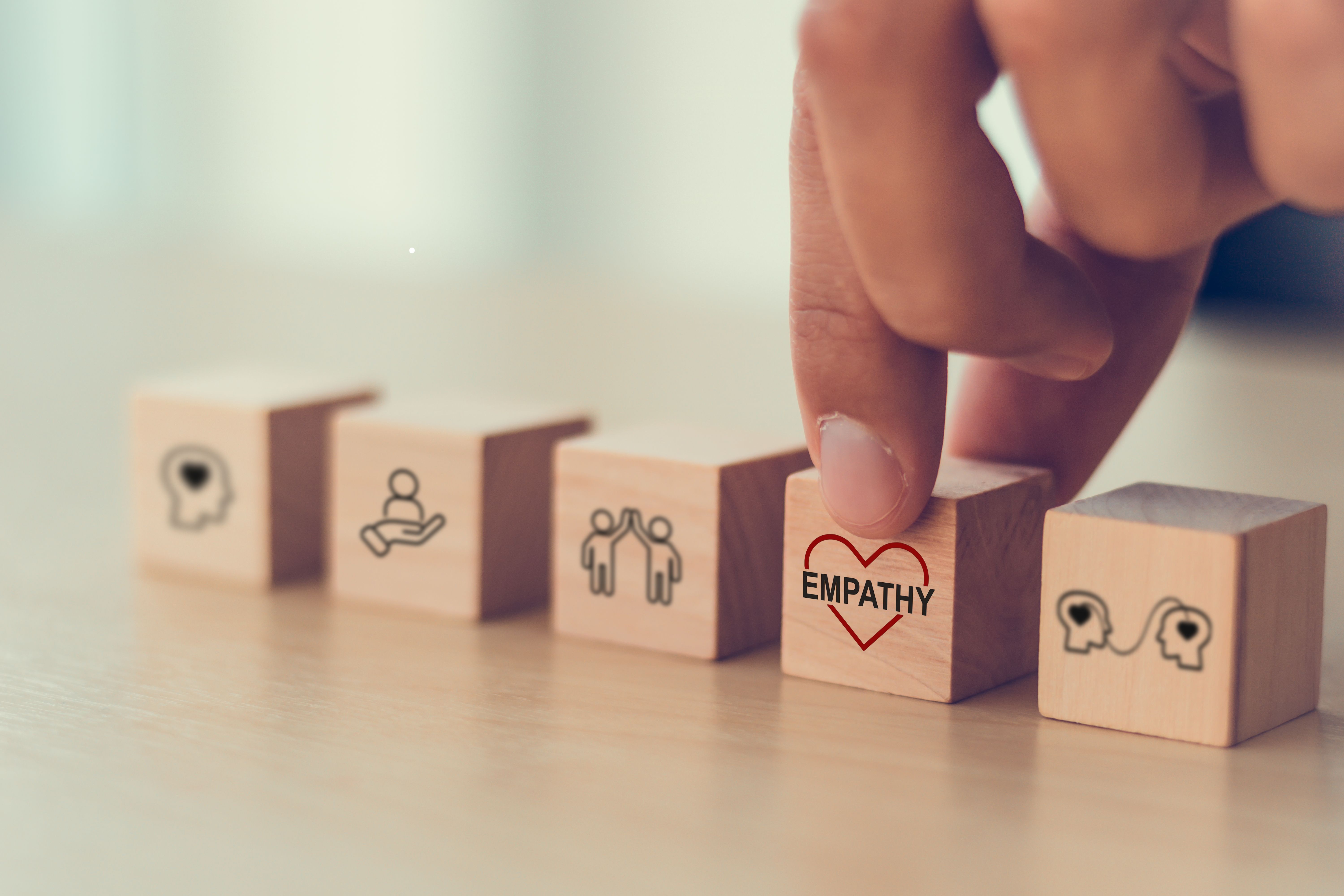
Empathy is the ability to understand and share the feelings of others. It is a critical component of emotional intelligence, allowing you to connect with people on a deeper level. Practicing empathy involves putting yourself in someone else's shoes and seeing the world from their perspective.
To enhance empathy, try to:
- Be genuinely curious about others’ experiences.
- Ask open-ended questions.
- Validate feelings and emotions without judgment.
Nonverbal Communication
Nonverbal cues such as facial expressions, gestures, and posture are powerful communication tools. They can reinforce what is being said or, conversely, contradict it. Being aware of your own body language and reading others’ nonverbal signals can enhance your emotional intelligence.
Consider the following tips:
- Observe how emotions are expressed physically.
- Be conscious of your own nonverbal signals.
- Adjust your body language to match the situation.
Assertiveness
Being assertive means expressing your thoughts, feelings, and beliefs in a direct, honest, and respectful way. It strikes a balance between being passive and aggressive, allowing for clear and effective communication.
To practice assertiveness:
- Use "I" statements to express your thoughts.
- Maintain a calm and steady tone of voice.
- Respect others’ opinions while advocating for your own.

Feedback
Providing and receiving feedback is an essential communication skill that can enhance emotional intelligence. Constructive feedback helps in personal and professional growth, creating an environment of trust and cooperation.
When giving feedback:
- Be specific and focus on behaviors, not personality.
- Offer suggestions for improvement.
- Encourage a two-way dialogue.
By focusing on these communication skills, you can significantly boost your emotional intelligence and improve your interactions with others, leading to more fulfilling relationships and a prosperous career.