
How to Improve Emotional Intelligence: Tips and Techniques
CJ
Understanding Emotional Intelligence
Emotional intelligence (EI) is the ability to understand and manage your own emotions, as well as recognize and influence the emotions of others. It's a crucial skill that can impact personal and professional relationships. Enhancing your EI can lead to better communication, empathy, and conflict resolution skills.
Developing emotional intelligence involves a combination of self-awareness, self-regulation, motivation, empathy, and social skills. By honing these areas, you can improve your overall emotional health and create more meaningful connections with those around you.
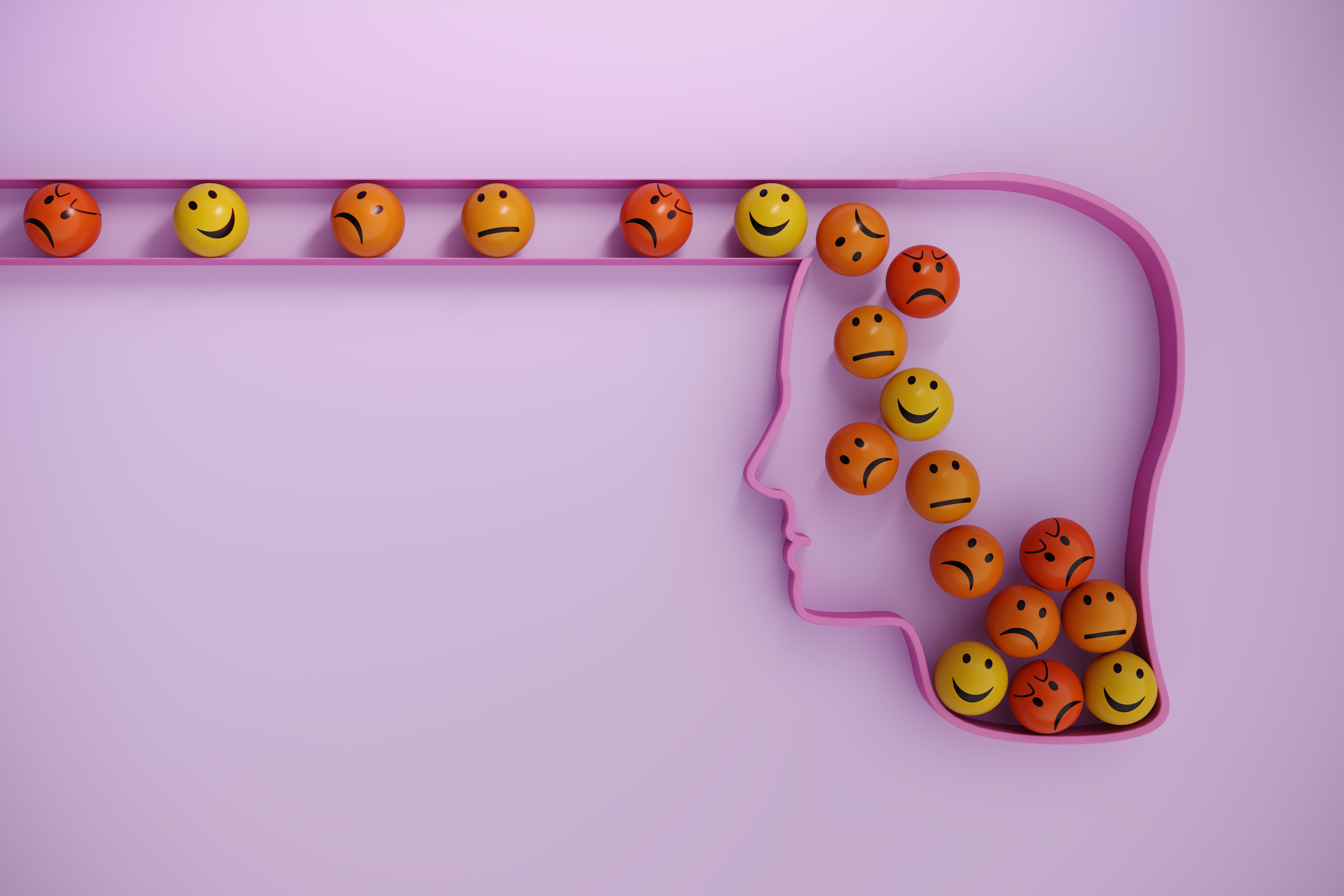
Developing Self-Awareness
Self-awareness is the foundation of emotional intelligence. It involves recognizing your emotions and understanding how they affect your thoughts and behavior. To enhance self-awareness:
- Keep a journal to reflect on your daily emotions and triggers.
- Practice mindfulness to stay present and tuned in to your feelings.
- Seek feedback from others to gain different perspectives on your behavior.
By becoming more self-aware, you can make more informed decisions and respond to situations more effectively.
Practicing Self-Regulation
Self-regulation is the ability to control your emotions and impulses. It's essential for managing stress and maintaining a calm demeanor in challenging situations. To improve self-regulation:
- Identify and avoid triggers that lead to negative emotions.
- Develop coping strategies, such as deep breathing or meditation.
- Practice patience and delay immediate reactions to emotional situations.
Strengthening your self-regulation skills can help you manage conflicts more constructively and maintain professional composure.

Enhancing Empathy
Empathy is the ability to understand and share the feelings of others. It plays a vital role in building strong, empathetic relationships. To enhance empathy:
- Engage in active listening by giving full attention and responding thoughtfully.
- Put yourself in others' shoes to better understand their perspectives.
- Show genuine interest in others' feelings and experiences.
By fostering empathy, you can create a more supportive and understanding environment for those around you.
Improving Social Skills
Strong social skills are a key component of emotional intelligence. They enable you to build and maintain healthy relationships. To improve social skills:
- Develop effective communication skills, both verbal and non-verbal.
- Practice assertiveness to express your thoughts and needs clearly.
- Work on conflict resolution techniques to manage disputes amicably.

Enhancing your social skills can lead to more fruitful collaborations and a more harmonious social life.
Conclusion
Improving emotional intelligence is a lifelong journey that involves continuous learning and practice. By focusing on self-awareness, self-regulation, empathy, and social skills, you can significantly enhance your emotional intelligence. This, in turn, can lead to more successful personal and professional relationships, greater well-being, and a more fulfilling life.