
Expert Insights: The Importance of Emotional Intelligence in Leadership
CJ
In today's fast-paced and complex world, the role of a leader extends beyond mere decision-making and strategic planning. An often overlooked but critical component of effective leadership is emotional intelligence (EI). Emotional intelligence involves the ability to understand and manage one's own emotions, as well as the emotions of others. It is a vital skill that can significantly enhance leadership effectiveness.

Understanding Emotional Intelligence
Emotional intelligence is comprised of several key components, including self-awareness, self-regulation, motivation, empathy, and social skills. Leaders who excel in these areas are better equipped to handle the complexities of their roles. They are able to create positive work environments, foster strong relationships, and drive their teams toward success.
The Role of Self-Awareness
Self-awareness is the foundation of emotional intelligence. It involves recognizing one's emotions and understanding how they impact behavior and decision-making. Leaders who are self-aware are more likely to make informed choices and communicate effectively. This awareness also enables them to identify their strengths and areas for improvement, leading to personal and professional growth.
Harnessing Empathy for Better Leadership
Empathy is the ability to understand and share the feelings of others. In leadership, empathy fosters trust and collaboration. By showing genuine concern for their team members' well-being, empathetic leaders create a supportive atmosphere where individuals feel valued and motivated to contribute. This not only improves morale but also enhances team performance.
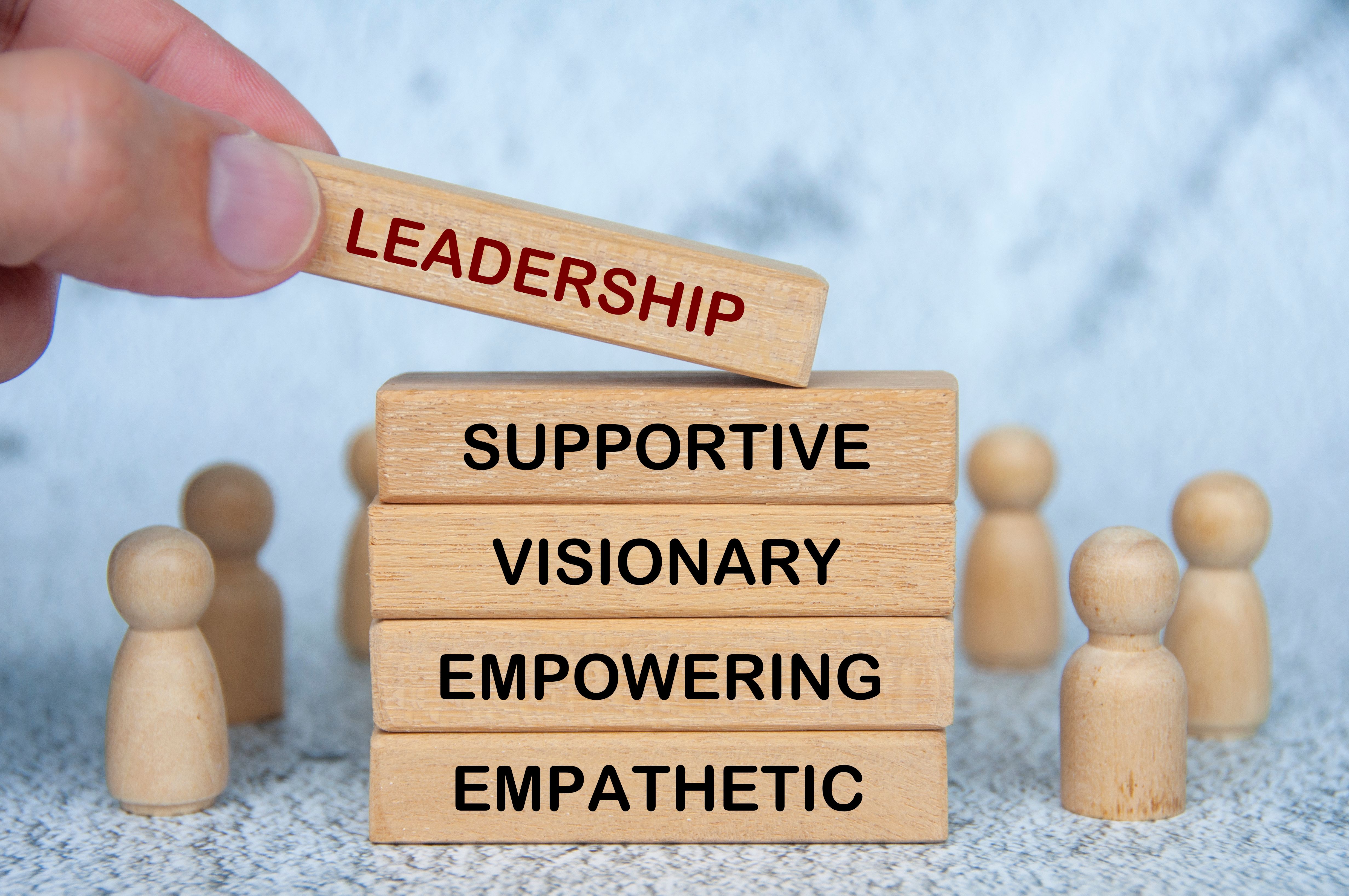
The Impact of Emotional Intelligence on Team Dynamics
Emotionally intelligent leaders can navigate the complexities of team dynamics more effectively. They are adept at recognizing and addressing conflicts, facilitating open communication, and promoting a culture of inclusivity. This leads to a more harmonious and productive work environment where team members are encouraged to express their ideas and collaborate.
The Importance of Adaptability
Adaptability is another crucial aspect of emotional intelligence. In a constantly changing business landscape, leaders must be able to adjust their strategies and approaches. Emotionally intelligent leaders are better equipped to embrace change and guide their teams through transitions smoothly. Their ability to remain calm and composed under pressure sets a positive example for others to follow.
Developing Emotional Intelligence
While some individuals may naturally possess high levels of emotional intelligence, it is a skill that can be developed and strengthened over time. Leaders can enhance their EI by seeking feedback, engaging in self-reflection, and participating in training programs. By prioritizing emotional intelligence, leaders can improve their effectiveness and drive organizational success.

Conclusion
In conclusion, emotional intelligence is a vital component of successful leadership. By understanding and managing emotions, leaders can create a positive work environment, foster strong relationships, and drive their teams toward achieving their goals. Investing in the development of emotional intelligence can lead to more effective leadership and a more harmonious workplace.