Emotional Intelligence: A Key to Personal Growth and Success
CJ
Understanding Emotional Intelligence
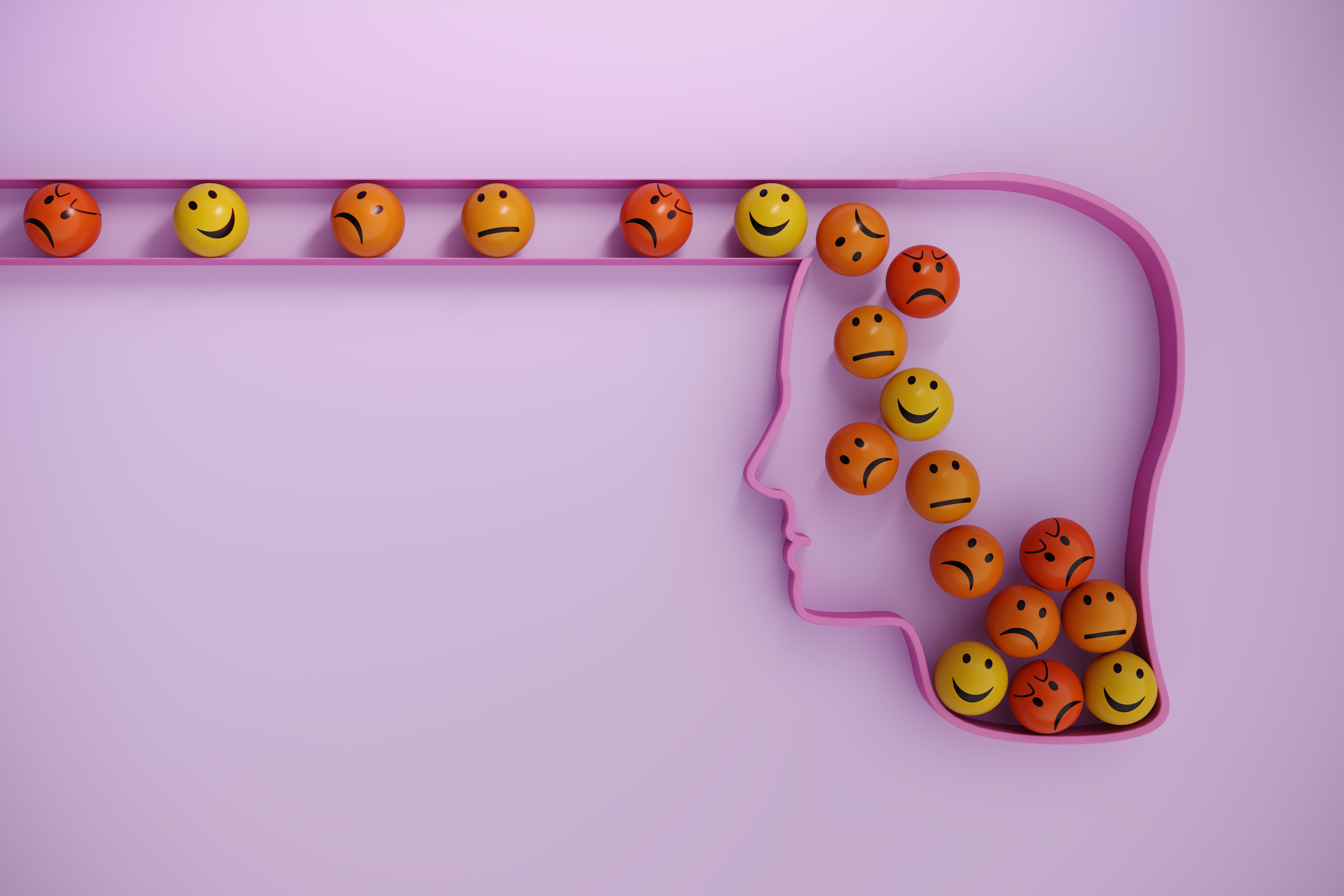
Emotional intelligence (EI) refers to the ability to recognize, understand, and manage our own emotions, as well as the emotions of others. It plays a crucial role in personal growth and success, influencing both our personal and professional lives. Developing EI can lead to better relationships, improved communication skills, and greater empathy.
The Components of Emotional Intelligence
Emotional intelligence is often broken down into five key components:
- Self-awareness: The ability to recognize and understand your own emotions and how they affect your thoughts and behavior.
- Self-regulation: The ability to control impulsive feelings and behaviors, manage emotions in healthy ways, and take responsibility for your actions.
- Motivation: A passion to work for inner reasons that go beyond money and status, such as personal growth and fulfillment.
- Empathy: The ability to understand the emotions of others and respond appropriately.
- Social skills: Proficiency in managing relationships and building networks.
Emotional Intelligence in Personal Growth
Developing emotional intelligence can significantly impact personal growth. By enhancing self-awareness, individuals can better understand their strengths and weaknesses, leading to more effective personal development plans. Improved self-regulation helps manage stress and maintain focus, which is essential for achieving personal goals.

The Role of Empathy
Empathy, a core component of EI, fosters better relationships and communication. By understanding and valuing the perspectives of others, individuals can create more meaningful connections. This not only enriches personal interactions but also enhances teamwork and collaboration in professional settings.
Emotional Intelligence in Professional Success
In the workplace, emotional intelligence is a key factor in leadership and team effectiveness. Leaders with high EI can inspire and motivate their teams, leading to increased productivity and job satisfaction. Moreover, emotionally intelligent employees are better equipped to handle workplace challenges and conflicts.

Enhancing Emotional Intelligence
Improving emotional intelligence is a lifelong journey. Here are some strategies to enhance EI:
- Practice mindfulness: Regular mindfulness exercises can increase self-awareness and help regulate emotions.
- Reflect on experiences: Taking time to reflect on emotional experiences can provide insights into how emotions influence actions.
- Seek feedback: Constructive feedback from others can offer a different perspective on your emotional responses and behaviors.
The Impact of Emotional Intelligence
Ultimately, emotional intelligence is a powerful tool for personal growth and success. By nurturing EI, individuals can improve their relationships, enhance their communication skills, and achieve greater personal and professional satisfaction. Understanding and managing emotions effectively can lead to a more fulfilling and balanced life.