
Common Misconceptions About Emotional Intelligence Debunked
CJ
Understanding Emotional Intelligence
Emotional intelligence (EI) is often misunderstood, leading to several misconceptions. As a crucial aspect of personal and professional development, EI encompasses the ability to recognize, understand, and manage our emotions and the emotions of others. Here, we debunk some common myths surrounding this essential skill.
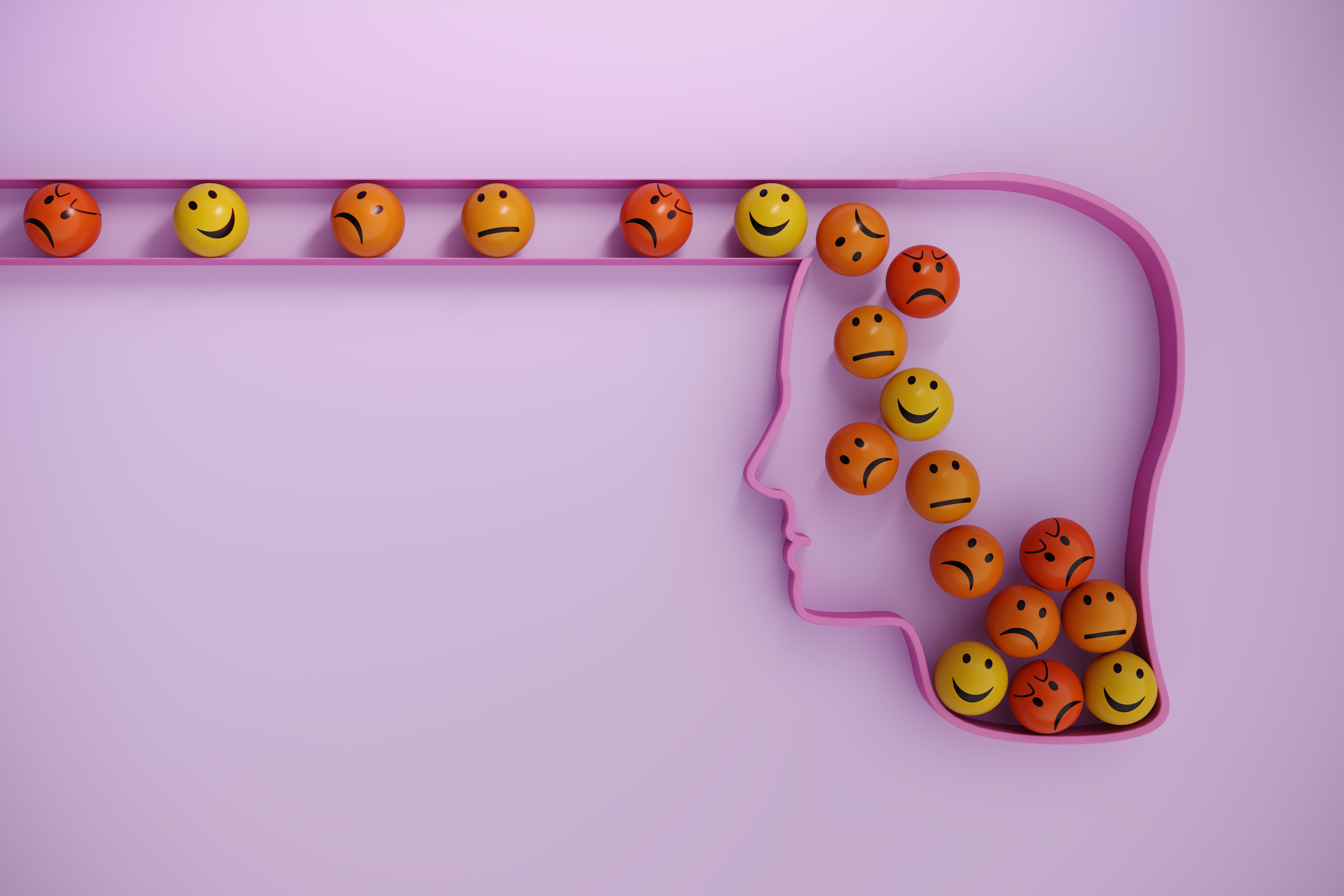
Misconception 1: Emotional Intelligence is Inherent
Many people believe that emotional intelligence is a trait you are born with. While some individuals might naturally possess higher EI, it is largely a skill that can be developed over time through practice and mindfulness. Like any other skill, the more you work on it, the better you become.
Developing emotional intelligence involves increasing self-awareness, enhancing empathy, and improving emotional regulation. By engaging in reflective practices and seeking feedback, anyone can enhance their EI.
Misconception 2: Emotional Intelligence is Only About Emotions
Another common misconception is that emotional intelligence is solely about understanding emotions. In reality, EI is a multifaceted skill that encompasses:
- Perceiving emotions accurately
- Using emotions to facilitate thinking
- Understanding emotional meanings
- Managing emotions effectively

These components work together to improve decision-making, problem-solving, and interpersonal relationships.
Misconception 3: High Emotional Intelligence Equals Niceness
Some people equate high emotional intelligence with simply being nice or agreeable. However, EI is not about pleasing others but understanding and managing emotions to communicate effectively and build stronger relationships.
An emotionally intelligent person can set boundaries, provide constructive feedback, and make tough decisions while maintaining empathy and respect.

Misconception 4: Emotional Intelligence is Not Important for Leaders
It's a common belief that technical skills outweigh emotional intelligence in leadership roles. In contrast, leaders with high EI are often more successful because they can inspire and motivate their teams, manage stress effectively, and navigate the complexities of workplace dynamics.
Emotional intelligence in leadership leads to better team collaboration, increased employee satisfaction, and improved performance. It is an invaluable asset for anyone aspiring to lead effectively.
Misconception 5: Emotional Intelligence Replaces Intellectual Intelligence
While emotional intelligence is crucial, it does not replace the need for intellectual intelligence (IQ). Both EI and IQ contribute to an individual’s overall effectiveness and success. They complement each other, allowing for a balanced approach to handling complex situations.
Understanding this balance enables individuals to leverage both their cognitive and emotional skills in various aspects of life, from personal relationships to career advancement.